Fence Installers' Guide to Durable Yard Privacy Solutions
@kameronfence-contractorwxkk873
Privacy markets a fence, but resilience keeps it from coming to be a frustration. Any person can establish posts and toenail up panels. Developing a personal privacy fence that still looks tight and stands plumb a decade later on takes judgment, not simply devices. Soil shifts. Wind tons flex panels. UV consumes surfaces. Gates sag at the most awful moment. The distinction shows in the information, the order of procedures, and the materials you select when no person is watching.
I have actually strolled brand-new property owners along property lines with a tape measure in one hand and a shovel in the other, and I have likewise come back 5 years later to see what survived children, pet dogs, lawn sprinklers, and winters. This overview distills that hard-earned pattern recognition so you can pick, plan, and either self-perform with self-confidence or work with a Fence Contractor that will treat your lawn like a long-lasting investment.
What resilience really suggests for a personal privacy fence
In practice, durability is a package of small resistances. You desire resistance to rot, bugs, and UV. You likewise require stability under wind and soil movement, and mechanics that keep gates square and locks aligned. A fence that blocks sightlines yet racks 2 inches out of plumb every spring is not a success. A fence that drops water, breathes simply enough to eliminate stress, and spreads out lots into the ground will quietly do its job through tornados and seasons.
Think in systems. Blog posts and footings manage upright and lateral lots. Bed rails distribute those tons to pickets or panels. Fasteners marry the wood or compound without tearing fibers. Complete slows moisture cycling so boards do not cup or split. Also the bottom side detail issues: increase timber pickets off quality by a minimum of 1 to 2 inches to break the splashback cycle that feeds rot.
Materials that take a beating and still look good
There is no single best product, just the very best suitable for your climate, budget, and upkeep appetite. An excellent Fencing Installer will stroll you with compromises without pressing the shop favorite.
Wood brings warmth and repairability. Cedar and redwood resist degeneration far better than yearn. Western red cedar is the workhorse for privacy fences throughout much of the country because it holds discolor well and shrugs off pests. In hot, dry areas, tight-knot cedar does virtually as well as clear qualities for domestic usage at a lower price. Pressure-treated ache, when kiln-dried after treatment, offers solid value for posts and rails, however you should let it completely dry to the touch before completing. Tropical woods like ipe last for years, however the expense is high and attachment needs pre-drilling and stainless equipment to avoid staining.
Vinyl stands up to dampness and never ever needs paint. High-quality plastic has internal ribbing or steel reinforcement in rails, thicker wall surfaces, and UV preventions tuned for your latitude. More affordable plastic can chalk or become brittle within a few years under solid sunlight. Plastic panels demand precise messages and spacing, otherwise the snap-together system will combat you. When done right, a vinyl personal privacy fencing continues to be straight and intense with basic washing.
Composites, generally a wood fiber and plastic mix, succeed at shade durability and low upkeep. They lug even more weight than vinyl, which alters just how you support and hang gates. Some compounds broaden and get more than timber, so comply with the producer's void guidance consistently in severe climates.
Metal articles with wood infill fix a typical failure factor. The majority of lasting failings begin at the post-to-soil interface. Galvanized steel messages, properly sized and established, hold placement while you still obtain the look of timber. Many Fence builders use steel blog posts behind board-on-board cedar and skip the ugly braces by utilizing hidden clip systems or directing rails. Powder-coated steel frames for gates paired with timber pickets create rigid, sag-resistant leafs.
Hybrid solutions that include stonework piers or knee wall surfaces manage slopes wonderfully and raise wood far from splash zones. They cost even more in advance, but for damp sites or hefty wind passages they gain their keep.
Privacy that breathes
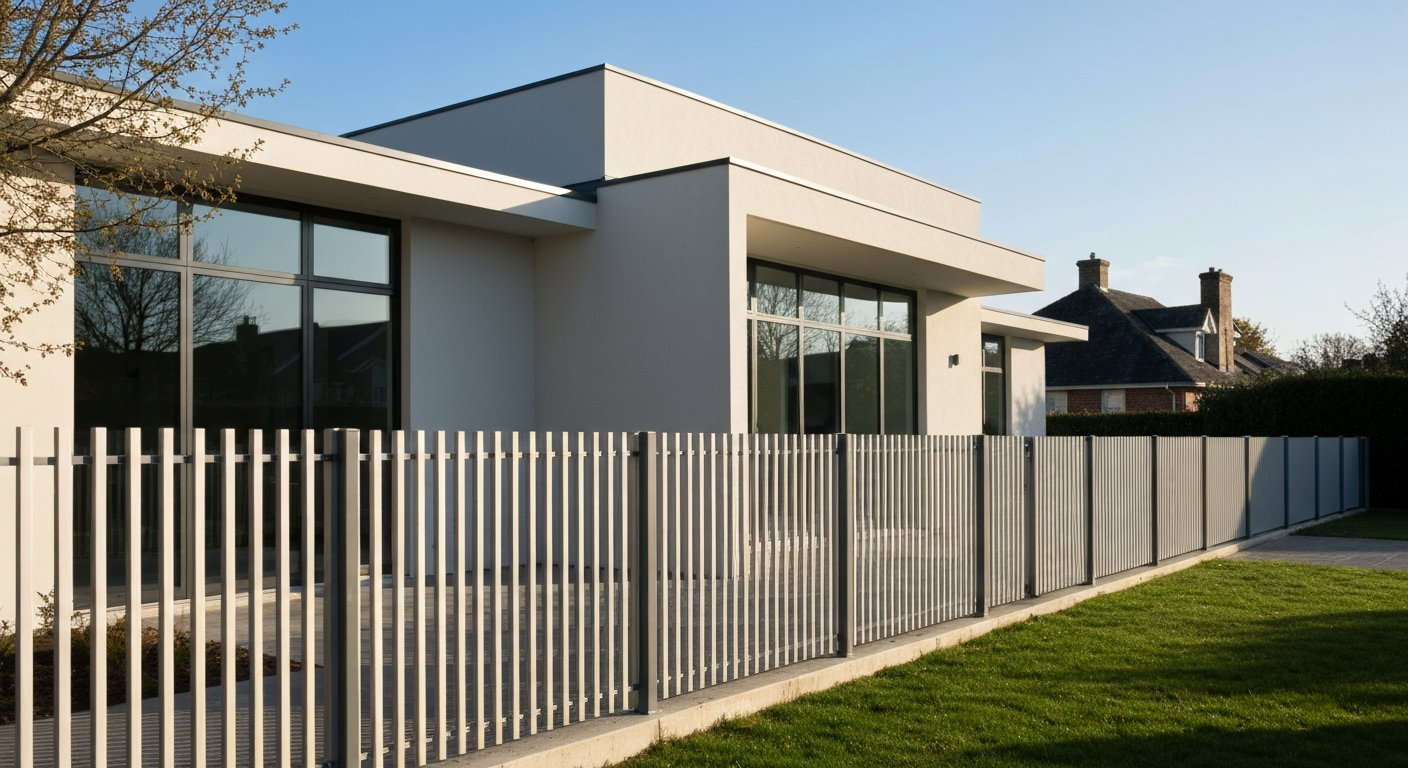
People usually ask for zero-gap, flat-faced personal privacy. It looks strong on the first day, but it traps wind like a sail and shows every cup or warp. Board-on-board gives the exact same personal privacy when watched straight on, yet vents pressure when wind turns the panels. Shadowbox, where pickets alternating sides on the rails, supplies strong privacy at angles and moves air well, an audio selection for yards that being in wind tunnels.
Height matters, yet so does proportion. 6 feet prevails because many codes cap property privacy at that line. 8 feet enhances weight, leverage on blog posts, and scrutiny from next-door neighbors. If you need to go high, increase blog post dimension, lower bay spacing from eight feet down to six, and think about midspan rails or steel stiffeners.
Posts and grounds that stay put
Everything hangs on the messages. Skimp right here and you will chase after issues for years. Blog post size must match height and spacing. For six-foot fences in moderate wind, 4x4 blog posts, really 3.5 inches square, work when you keep periods at 6 feet and set them right. For eight-foot elevations or subjected sites, step up to 4x6 or make use of steel.
Depth works off a simple rule of thumb: set posts a minimum of one third of the subjected elevation, with a minimum of 24 inches, https://3654.b-cdn.net/timber-fencing/api-quota-exceeded-you-can-make-500-requests-per-day.html even more generally 30 to 36 inches. In frost areas, footings should go listed below the frost line to stay clear of heave. Your neighborhood Fencing Contractor will know the number for your location. Broaden the bottom of the opening to create a bell so uplift forces fulfill resistance. This can be done by hand with a clamshell digger and shovel or with a bell auger bit.
Concrete gives rigidness, but it creates a bowl that can hold water against a wood post. If you bed posts in concrete, crown the top of the footing over quality and slope it away from the post so water does not rest. Lots of seasoned Fencing Installers like a packed crushed rock or a crossbreed footing for timber articles, especially in damp soils. Squashed rock drains pipes, and if you tamp it in 6 inch lifts to rejection, it holds the blog post well. For steel posts, concrete stays the criterion, with rebar cages utilized in high-wind or extensive clays.
Spacing seldom obtains the regard it deserves. Tighter bays minimize light beam impact anxiety on rails and cut the sail area each article have to counter. The distinction in between eight-foot and six-foot bays shows up throughout storms and in years of gate operation.
Rails, pickets, and the fastener truth
Rails carry load and keep pickets aligned. Two rails can be adequate on a five-foot fence, yet many six-foot fencings need to run three. If you add a fourth, area it near the top to stiffen where the wind torque is highest possible. Orient rails with the crown up. Usage full-dimension if you can source it, or at least avoid rails with the pith that enjoy to split.
Exterior screws attack and hold better than nails, yet not all screws are equal. Usage coated or stainless screws sized to get to 2 thirds of the way into the substrate. Ring-shank hot-dipped galvanized nails still hold their ground for speed on cedar, yet you will see more seasonal motion than with screws. In seaside air, stainless pays for itself by staying clear of hemorrhage spots and head failures.
Hidden fasteners provide clean faces on compounds and some wood profiles, though they include time. They additionally decrease the variety of penetrations that direct water into end grain.
Finishes that deal with climate, not versus it
Stain purchases years of service by slowing down water exchange and UV malfunction. Transparent stains look wonderful for the initial year and need regular rework. Semi-transparent balances shade and longevity. Solid-color discolorations act even more like slim paint, hiding grain yet sealing well. Select an oil-modified formula for infiltration on brand-new wood, then maintain with water-based top-ups that take place fast.
Do not catch dampness. Seal the top edges of straight boards and the cut finishes, yet allowed the underside of rails breathe. Pre-stain pickets on a couple of saw equines and you will certainly cut future maintenance in fifty percent since every edge is secured. You will certainly additionally install faster since you are not tiptoeing around wet finish.
Vinyl wants soap, water, and a soft brush. Composites value a seasonal rinse and spot cleaning. Avoid stress washing machines on both unless you recognize your maker, your suggestions, and your range. It is easy to sculpt tiger red stripes you will certainly regret.
Gate builds that do not sag
Gates fail first due to the fact that they lug their own weight and live at the sides where wind and people batter them. Develop the structure as a stiff rectangle with an angled that places the lengthy grain of the support in compression from the bottom joint side approximately the lock edge. That straightforward selection keeps the fallen leave square for years.
Hardware matters. Usage heavy strap joints or ball-bearing butt pivots rated for the weight. Through-bolt right into solid framework, not just pickets. A latch that come down on a steel strike plate will keep placement longer than a wood catch. Leave a 2 to 3 inch gap under eviction for frost heave, mulch, and the inescapable spring swell. For broad dual entrances that automobiles will certainly make use of, a decrease pole into a cored hole established with a sleeve gives a tidy, reputable center pin.
If you prepare for automation or clever locks, stub avenue to the hinge message before backfilling. It costs little bit throughout the develop and stays clear of trenching later.
Handling wind, slopes, and odd lots
Wind transforms a flat panel into a lever. Break up the run with columns, lower bay sizes, and pick profiles that leak a little air. In high-wind regions, ask your Fencing Contractor about steel articles with bonded rail braces and screws that bite into metal. Storm clips or structural screws at rail finishes help hold the system together when gusts press and pull.
Slopes tempt installers to step panels in large jumps due to the fact that it fasts. Racked fences where pickets adhere to quality look even more natural and maintain bottom spaces even. That takes messages set on a string line, rails tore to match the pitch, and pickets reduced in place. It is slower and worth it, particularly along front backyards where sightlines matter.
Weird corners, tree roots, or utility easements require adaptability. A good Fence builder can change bay sizes without it looking apparent, integrate a detachable panel for tools gain access to, or jog around a secured tree without trapping origins under footings.
Codes, next-door neighbors, and boundaries that do not attack you later
Pull allows where needed, and review the zoning text, not simply hearsay. Obstacles can be 6 inches in one city and 3 feet in the following. Corner lots usually have sight triangular regulations that clip fencing heights near driveways. Pool codes are their own world, with self-closing gates and climb-resistant designs that exchange horizontal rails to the pool side or add smooth panels.
Do not guess the property line. A fresh survey saves feuds and revamp. Prior to you dig, obtain energies marked. Personal watering lines will not be flagged, so probe or run a hand dig along most likely paths.
Neighbors will certainly live with your fencing also. Share sketches, choose a completed side orientation, and agree on any type of modifications. Many Fencing Contractors will fulfill both parties and synopsis extent, specifically if expenses are being split.
A functional build series that stays clear of do-overs
- Walk the line with flags, validate residential or commercial property lines and obstacles, then established string lines tight sufficient to sing when plucked.
- Set corner and gateway messages first, to full treatment if using concrete, after that pull intermediate message locations by equal bays that prevent uncomfortable slivers at ends.
- Hang rails level or to the designated rake, test-fit a sacrificial picket to validate privacy protection and bottom clearance, then commit.
- Build and hang gates after surrounding panels so you read and match the airplane, after that tweak hinges and lock with shims, not brute force.
- Finish surfaces at the best wetness content, set up caps or message tops to drop water, and walk the run for sharp edges and pleased fasteners.
What it actually costs, and why economical hurts later
Numbers vary by area, however a basic six-foot wood personal privacy fencing from a credible Fencing Contractor usually lands in the 35 to 60 dollars per straight foot array, consisting of gateways. Costs cedar, board-on-board accounts, and stain press that towards the top. Plastic runs higher, typically 55 to 85 per foot depending on account and surface. Steel messages with timber infill add roughly 8 to 15 per foot over timber blog posts. Automation on a driveway-width gate can include 1,500 to 4,000 depending upon power and controls.
The life time cost informs the tale. A 2,000 buck savings on the first day vanishes if you change blog posts in year five. Spend on messages, equipment, and coating. Skimp on ornamental caps or sophisticated leading rails if you must. A solid skeletal system under a tidy, basic skin will last longer than an expensive fencing with a weak spine.
Three lawns, 3 solutions
Coastal whole lot, high salt, high wind: Steel articles set 36 inches deep with bell bottoms, cedar board-on-board with stainless screws, and a bonded steel gate structure skinned in cedar. We left a 1.5 inch void at grade for sprinkle, added continual discolor before set up, and used ball-bearing hinges. That fencing came through 2 named tornados with aesthetic scuffs and no racking.
High desert, full sun, large dogs: Kiln-dried after therapy pine blog posts in packed gravel for water drainage, cedar rails and pickets with a semi-transparent UV-heavy stain. We established bays at six feet, added a midspan rail, and utilized layered architectural screws. Pets lean, so we ran a concealed steel angle along the inside base rail where paws hit. 5 summer seasons later on, color is holding, rails are directly, and the pet dogs have not discovered a weak spot.
Freeze-thaw suburb, clay dirt: Articles listed below the 42 inch frost line with flared footings, gravel sleeves around wood articles for drainage. Shadowbox style to reduce wind tons and keep tranquility with the next-door neighbor. Gates built with powder-coated steel structures and mounted with 3 inch clearance at grade. Springtime heaves reoccured, the run stayed aligned.
Five mistakes that reduce a fencing's life
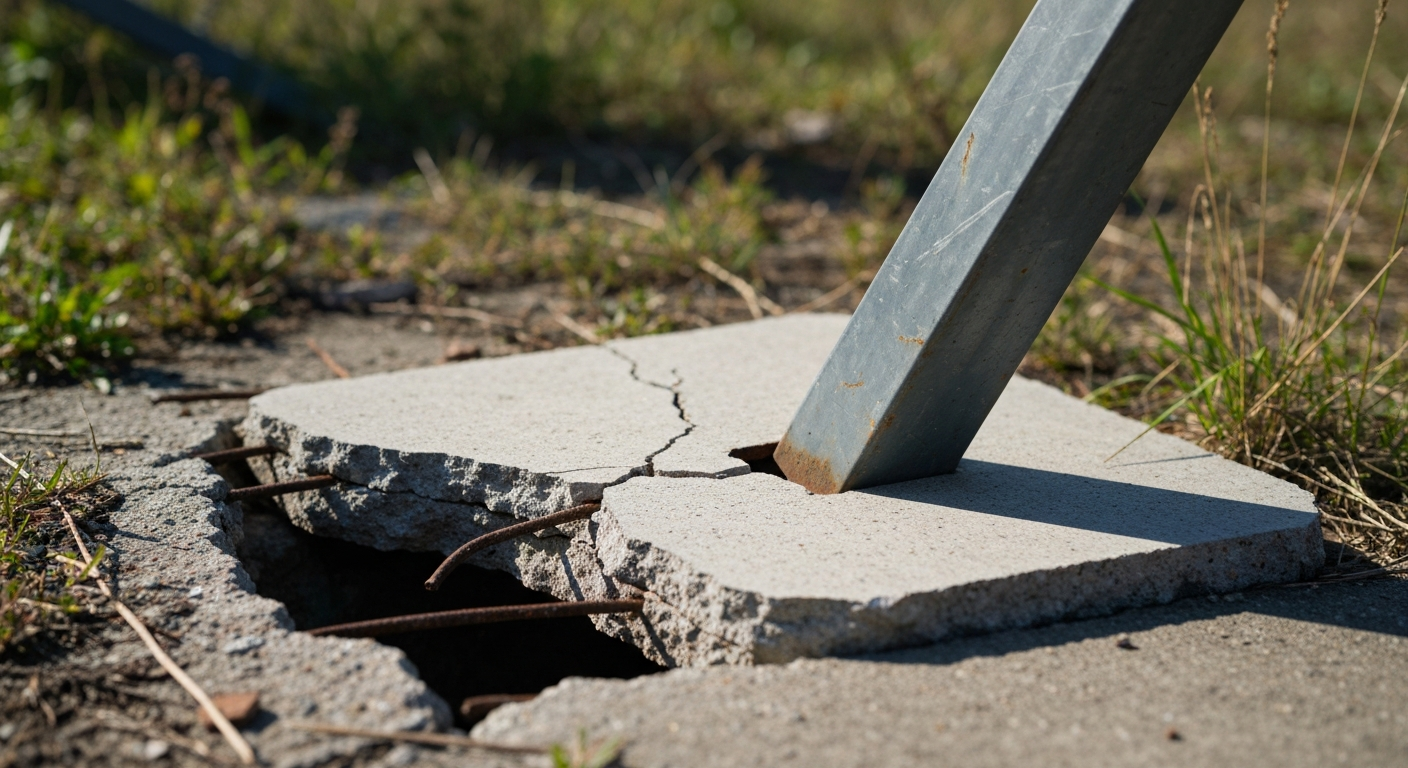
- Shallow blog posts that sit above frost line or in soft fill, which guarantees seasonal motion and fractured footings.
- Concrete flat to quality around wood blog posts that catches water and rots the fibers right at the tension point.
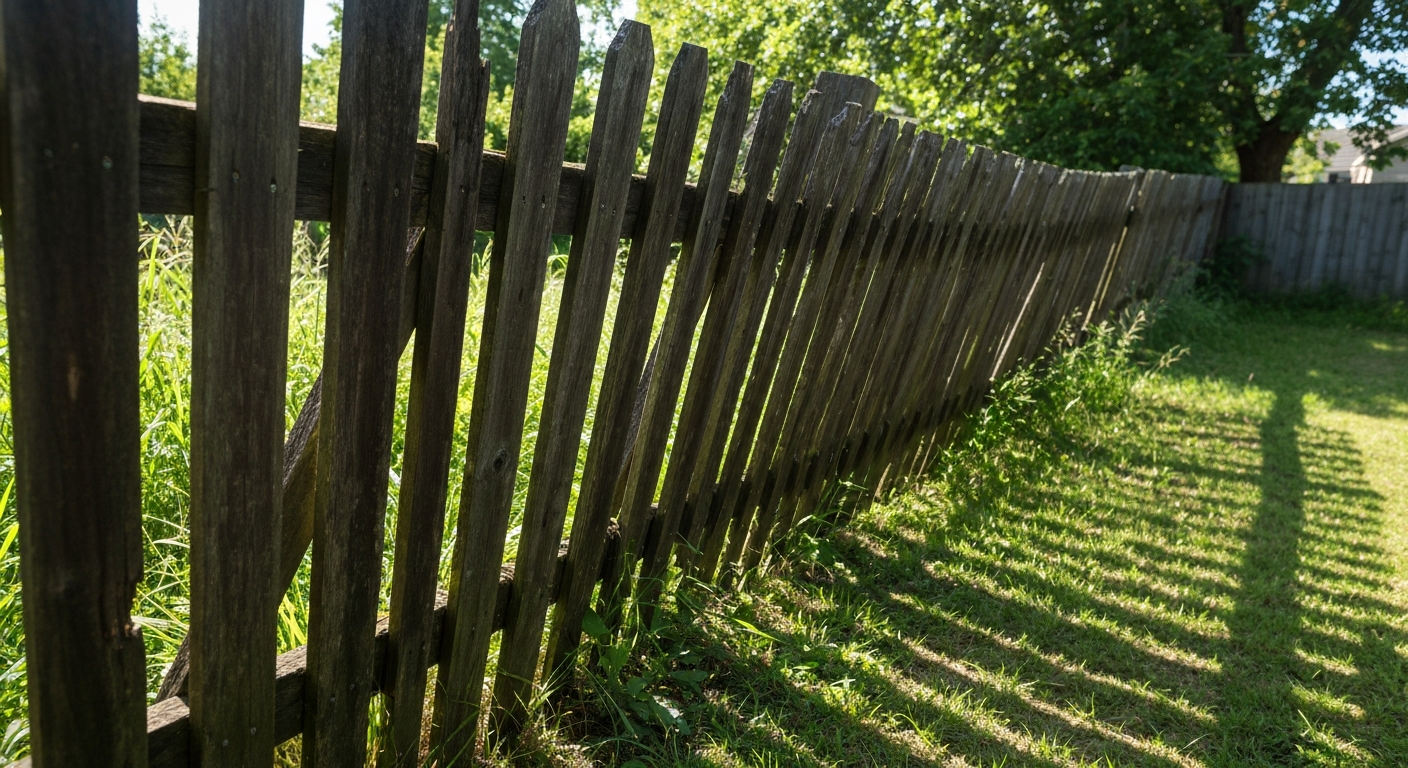
- Two-rail formats on six-foot personal privacy that let pickets wave and split at the fasteners, specifically in sun.
- Gates hung before panels, requiring the fallen leave out of aircraft so you deal with the joint geometry forever.
- Cheap screws or electro-galvanized nails in coastal or damp zones, which tarnish, break, and send you hunting for a vehicle driver bit every weekend.
Working with pros who take pride in straight lines
Not all Fence Contractors build the very same fencing, also at the exact same rate. Ask to see job that goes to the very least 3 years of ages. That stroll informs you greater than a sales brochure. Speak to referrals about winter season motion, latch efficiency, and action to small guarantee phone calls. A skilled Fencing Installer will certainly discuss soil, wind, and code without checking a script. They will suggest steel where wood messages would struggle, and they will not blink when you inquire about article depth or bolt type.
Clarity on range protects against rubbing. Confirm the number and width of gateways, equipment brand, message spacing, footing deepness, finishes, and site protection. If your job includes slopes, ask whether panels will be tipped or racked. If you hear just, "We will certainly make it function," promote specifics. Great Fence builders like information since details make fences last.
Sustainability without greenwashing
Sustainability begins with longevity. A fencing that lasts twenty years beats 2 fences that last 8, even if each usages "greener" materials. If you choose dealt with wood, try to find modern-day copper-based therapies and specify kiln-dried after therapy when offered. For tropical woods, validate chain-of-custody accreditations and recognize that pre-drilling and stainless hardware belong to the package. Recycled-content composites can be a sincere win if you accept their thermal activity regulations. Steel blog posts and structures are recyclable at end of life and frequently expand the life of wood infill by a decade.
Stormwater matters too. Maintain concrete off grown locations, crown footings to drop water, and leave a vegetated strip at grade instead of pressing compost or soil hard up versus pickets.
The quiet craft of straight, tight, long-lived privacy
The best fencings fade into the background. They make the yard seem like a space, cut sound a notch, and never ever announce themselves with a stuck gateway or a board flapping after a storm. That outcome originates from lots of small choices: digging another inch to strike solid soil, exchanging a 4x4 for a 4x6 when wind warrants it, securing end grain before a picket ever before meets a rail, and establishing a joint screw that does not remove out in year three.
Whether you do the job on your own or bring in a Fencing Contractor, go for framework over ornament and planning over patching. Lean on a Fence Installer that can discuss why a board-on-board layout takes a breath better, or why your clay slope needs gravel sleeves. Regard the home line, the weather condition, and the physics. The yard will certainly settle you with quiet privacy that lasts.